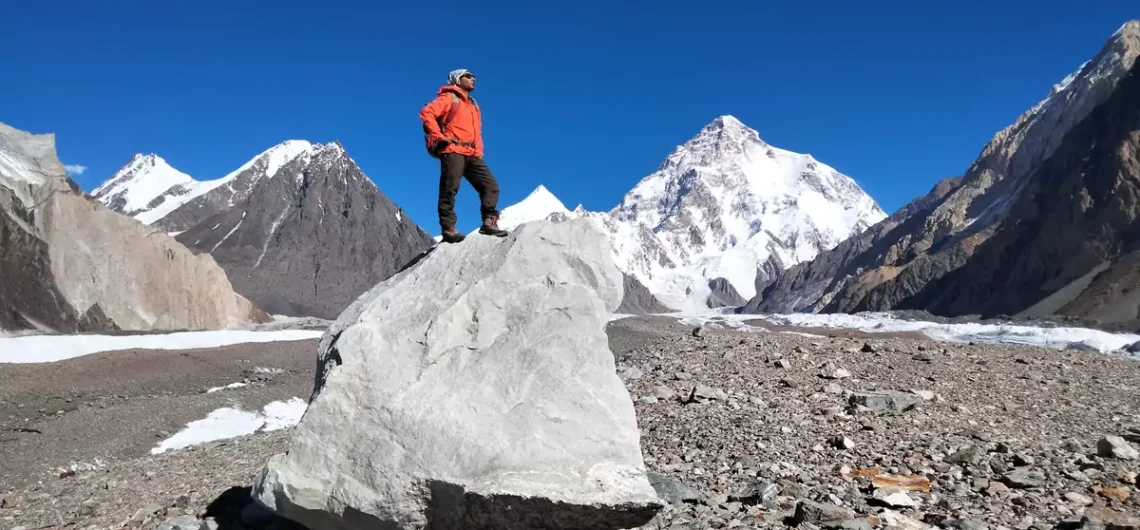
Skardu is Pakistan’s main gateway to K2 Base Camp. It sits at 2,438 meters where two rivers meet. This old trading town helps modern trekkers reach high mountains safely.
You can only reach K2 Base Camp through Skardu. Jeeps take you to Askole village. From there, you walk 63 kilometers across ice to reach the world’s second tallest mountain.
15 Key Benefits of Choosing Skardu for K2 Base Camp Trek
Getting There Benefits
1. Gives You Access to Baltoro Glacier
Skardu is the only place with roads to Askole village. This is your last stop before the wilderness. Jeeps drive 173 kilometers through mountains. The trip takes six hours.
2. Perfect Height for Your Body to Adjust
Skardu sits at 2,438 meters high. This helps your body get used to thin air slowly. You have 24% less oxygen than at sea level. This prevents mountain sickness before you go higher.
3. Has Direct Flights from Islamabad
Yes,Planes fly daily from Islamabad to Skardu. The flight takes 90-120 minutes. Bad weather can cancel flights. When this happens, you drive 550 kilometers on mountain roads instead.
4. Handles All Your Permits
The tourism office in Skardu processes all permits. You need several papers:
- Main trekking permit
- Environment protection fee
- Guide license check
- Porter registration
5. Has the Best Mountain Guides
Skardu has over 200 trained guides. They speak English, Urdu, and the local language. All guides know:
- How to rescue people from ice cracks
- First aid for mountain sickness
- How to use GPS systems
- Safe camping spots
With over 25 years of guiding experience, our team brings unmatched expertise and local knowledge to every expedition. Ready to explore with seasoned professionals? Plan your K2 adventure with us and trek with the best!
6. Shows You Real Local Culture
Balti people mix Tibetan and Islamic traditions. They build stone houses with flat roofs for heavy snow. You see traditional clothes with silver jewelry.
Skardu’s vibrant festivals light up the valley with color and tradition. Highlights include:
- Polo Matches – Fast-paced games in stunning mountain settings.
- Jashn-e-Mehfang – A lively celebration of music, dance, and local flavors.
7. Has a Historic Mountain Fort
Skardu Fort Kharpocho was built 500 years ago. Climb up early in the morning. You see amazing views where two rivers meet. The fort shows how mountain kingdoms lived long ago.
8. Serves Traditional Mountain Food
Local families cook special meals:
- Yak meat dumplings
- Barley bread
- Butter tea that keeps you warm
- Apricot jam for breakfast
9. Great for Taking Photos
Skardu Valley has many photo opportunities:
- Wildflower fields in spring
- Blue glacier ice
- Golden autumn trees
- Snow-covered peaks
- A milky sky filled with countless stars at night
10. Lets You Meet Local People
Stay with Balti families in their homes. Share meals and stories. Learn traditional crafts. Village elders tell stories about old trade routes.
11. Has Medical Help Ready
Yes,DHQ hospital Skardu and CMH skardu treats mountain sickness and injuries. Helicopters fly sick people to Islamabad for serious problems. Army units help with rescues.
12. Rents Mountain Gear
Local shops rent all the gear you need:
- Warm down jackets
- Metal spikes for your boots
- Climbing harnesses
- Sleeping bags for cold weatherThis saves space in your luggage.
13. Tracks Weather for You
Weather stations watch mountain storms. They send text alerts about dangerous weather. This keeps trekking groups safe from sudden storms.
14. Coordinates Mountain Rescues
Army rescue teams work with climbing clubs. They have radios throughout the glacier route. Satellite phones work for emergency calls.
15. Keeps You Connected
Satellite internet and cell towers work in Skardu. You can send messages and make calls. GPS tracking helps rescuers find you if needed.
K2 Base Camp Trek Packages from Skardu
Whether you’re an experienced hiker or a first-time K2 trekker, there’s a plan to fit your comfort and adventure level. You can go self-guided with basic transport and gear rentals, join a guided group with expert local guides and full support, or upgrade to premium and luxury experiences that include private tents, flexible schedules, and top-tier services.
No matter which style you choose, the breathtaking scenery and once-in-a-lifetime challenge remain the same. Let’s plan your K2 trek together , our professional team will guide you every step of the way.
Professional Trek Planning Services
Flight Booking Help
Mountain airports depend on clear weather. Planes can’t land in clouds or storms. Professional planners watch weather forecasts. They book backup road transport when needed.
Gear Rental Setup
High-altitude gear is heavy and expensive. Renting in Skardu saves money and luggage space. Shops check all gear before you leave. Everything meets safety standards.
Body Adjustment Schedule
Your body needs time to adjust to thin air. Good plans include:
- Easy day hikes around Skardu
- Rest days in mountain villages
- Extra days for bad weather
- Slow height gain to prevent sickness
Backup Planning
Mountain weather changes fast. Good plans have extra days built in. This covers:
- Cancelled flights
- Storm delays
- Emergency evacuations
- Equipment problems
Best Times to Visit Skardu for K2 Trek
June: Getting Started (15-20°C days, 5°C nights)
Weather: Warm days with some afternoon rain
Good for: First mountain adjustment, fewer crowds
Challenges: Melting snow makes river crossings harder
July-August: Peak Season (20°C days, mild nights)
Weather: Sunny skies, almost no rain
Good for: Best weather, long daylight hours, wildflowers
Challenges: Higher costs, more people, harder to book
September: Sweet Spot (15°C days, 0-5°C nights)
Weather: Clear skies, perfect mountain views
Good for: Fewer people, autumn colors, good temperatures
Challenges: Need warmer clothes for cold nights
October and Later: Winter Coming (below 0°C nights)
Weather: Early snow, shorter days
Challenges: Mountain passes close, dangerous conditions
Skardu Culture and History
Why Skardu Became Important?
Skardu sits where two major rivers meet. For hundreds of years, traders stopped here traveling between India, Tibet, and Central Asia. The same mountain paths now lead trekkers to K2.
Traditional Foods and Crafts
Local cooks make special mountain food:
- Yak meat prepared different ways
- Barley grown at high altitude
- Tea with butter for energy
- Dried fruits for winter
Craftspeople make:
- Carved wooden furniture
- Stone decorations for houses
- Colorful woven cloth
- Silver jewelry
Where to Stay in Skardu?
Skardu offers a range of stays to match every traveler’s style. Budget-friendly lodges provide shared rooms, simple beds, and communal kitchens—perfect for backpackers and those looking to save. Mid-range hotels offer private rooms with hot water, great views, on-site dining, and reliable internet for travelers who want comfort and privacy. For those seeking indulgence, luxury resorts feature lake or mountain views, heated rooms, spa services, and personalized trip planning for a truly premium experience.
Need help picking the right place to rest after your trek? Our team can guide you to the stay that fits your style and makes your K2 journey even smoother.
Getting to Skardu
Flying There
Skardu airport gets daily flights from Islamabad . Small planes need clear weather to land safely. Mountain weather changes fast. Always have backup plans.
Driving There
The Karakoram Highway connects Islamabad to Skardu. The drive takes 14-18hours through amazing mountain scenery. This route works when flights get cancelled.
Winter Routes
From November to March, some roads close due to snow. Alternative routes through other mountain passes work sometimes. Heavy snow often blocks these too.
The K2 Base Camp Route Explained
Skardu to Askole
Jeeps drive 173 kilometers on mountain roads. This takes you from town services to the last village. Amazing scenery changes from farms to wilderness.
Walking the Baltoro Glacier
You walk 63 kilometers across the world’s longest mountain glacier. Daily walks cover 8-12 kilometers. Camp at specific spots: Jhola, Paiyu, Urdukas, Goro.
Concordia Junction
People call this the “Throne Room of Mountain Gods.” You see four peaks over 8,000 meters high:
- K2 (the main goal)
- Broad Peak
- Gasherbrum I
- Gasherbrum II
K2 Base Camp Final Push (5,150 meters high)
The last 8 kilometers cross dangerous ice formations. Base Camp has memorial stones for climbers who died. Temporary shelters and communication equipment help expedition teams.
Common Questions About K2 Base Camp Trek
How Much Does the Trek Cost?
The cost of a K2 adventure trek can vary widely depending on the type of experience you’re looking for. Factors like the length of the trip, level of comfort, type of accommodation, and whether you choose a self-guided or fully guided expedition all play a role. From basic, no-frills treks to premium and luxury experiences with extra amenities, there’s an option for every kind of traveler.
Ready to take on one of the world’s greatest adventures? Start planning your K2 trek today and make your dream journey a reality!
When Should You Go?
June to September works best. July and August have the most stable weather but cost more. September has fewer people and great views. October gets too cold and snowy.
Guided vs Solo Trek?
Guided benefits: Safety help, permit handling, local knowledge, emergency support
Solo benefits: Costs less, more freedom, personal challenge
Risk warning: Solo trekkers handle all problems themselves including emergencies
How Do You Get There?
By plane: 90-minute flights from Islamabad (weather permitting)
By road: 14 to 8-hour mountain drive with spectacular views
Backup plans: Always needed due to weather delays
Main Dangers of K2 Base Camp Trek
Altitude Sickness Problems
AMS (Acute Mountain Sickness): Headaches, nausea, dizziness
HACE (Brain swelling): Confusion, loss of coordination
HAPE (Fluid in lungs): Trouble breathing, chest tightness
Weather Dangers
- Sudden storms with high winds
- Temperature drops to dangerous levels
- Whiteout conditions with no visibility
- Lightning strikes at high altitude
Terrain Hazards
- Ice cracks that can swallow people
- Falling ice blocks
- Rockslides from mountain walls
- Unstable glacier movement
How to Stay Safer
- Follow height gain rules strictly
- Hire trained guides
- Buy evacuation insurance
- Carry emergency communication devices
- Use proper safety gear always
Essential Gear for K2 Base Camp Trek
Clothing You Need
Base layer: Wool shirts and pants that wick sweat
Warm layer: Down jacket rated for extreme cold
Shell layer: Waterproof jacket and pants for storms
Boots: Mountaineering boots that fit metal spikes
Accessories: Warm hat, sun hat, gloves, sunglasses
Technical Equipment
Crampons: Metal spikes for walking on ice
Harness: Safety belt for rope team travel
Helmet: Protection from falling rocks and ice
Trekking poles: Support for long glacier walks
Sleeping bag: Rated for -15°C temperatures
Safety and Navigation Gear
GPS device: Shows your location with offline maps
Satellite messenger: Sends SOS calls for help
First aid kit: Treats common trek injuries and sickness
Water filter: Makes glacier water safe to drink
Emergency shelter: Lightweight protection from storms
How to Book Your Trek
Required Permits
You need several official papers:
- PTDC trekking permit from tourism office
- Environmental protection fee payment
- Guide license verification
- Porter team registration
- Police clearance form
Trekking Responsibly
Protect the Environment
- Pack out all trash
- Use refillable water bottles
- Don’t disturb wildlife
- Stay on marked trails
- Use biodegradable soap
Respect Local Culture
- Dress modestly in villages
- Ask before taking photos
- Buy from local vendors
- Learn basic local greetings
- Follow religious customs
Support Local Communities
- Hire local guides and porters
- Stay in family guesthouses
- Buy handmade crafts
- Participate respectfully in cultural activities
- Leave economic benefits in local hands
Best Photo Spots
Skardu Fort at Sunrise
Climb the old fort early morning. Golden light shows the river valley. Distant mountains create dramatic silhouettes.
Baltoro Glacier Ice Falls
Photograph during golden hour. Blue ice contrasts with warm light. Dramatic shadows show the ice formations.
Concordia Mountain Amphitheater
Panoramic shots capture four giant peaks. Use wide lens for full scene. Clear weather gives best visibility.
K2 Base Camp Memorial
Memorial stones honor fallen climbers. Mountain walls frame the scene. Creates powerful emotional images.
Photography Tips for High Mountains
Equipment Care
- Keep batteries warm in inside pockets
- Use lens hoods to prevent condensation
- Store memory cards in waterproof cases
- Bring extra batteries for cold weather
Technical Settings
- Shoot during golden hour for best light
- Use polarizing filters for snow scenes
- Bracket exposures for high contrast
- Focus carefully in thin air
Legal Considerations
- Check drone rules with authorities
- Respect no-fly zones near military areas
- Get permission for people photos
- Follow local photography customs
Monthly Weather Details
June Weather (15-20°C days, 5°C nights)
Days warm up nicely. Afternoon thunderstorms clear quickly. Snow melts create water crossings. Wildflowers start blooming. Fewer tourists than peak season.
July-August Weather (20°C days, mild nights)
High pressure systems bring stable weather. Almost no rain falls. Strong midday sun needs protection. Long daylight hours help trekking. Most expensive time to visit.
September Weather (15°C days, 0-5°C nights)
Crystal clear mountain views. Comfortable walking temperatures. Cold nights need warm sleeping bags. Beautiful autumn colors appear. Much fewer crowds.
October Weather (below 0°C nights)
Freezing temperatures at night. Possible snow starts falling. Shorter daylight hours. Mountain passes may close. Limited commercial operations.
Ready to start your K2 Base Camp adventure? Contact our Skardu trekking specialists today for personalized planning and booking help.
Comments